Digital X-Ray Sensors Explained: What to Know Before You Buy
February 24, 2026
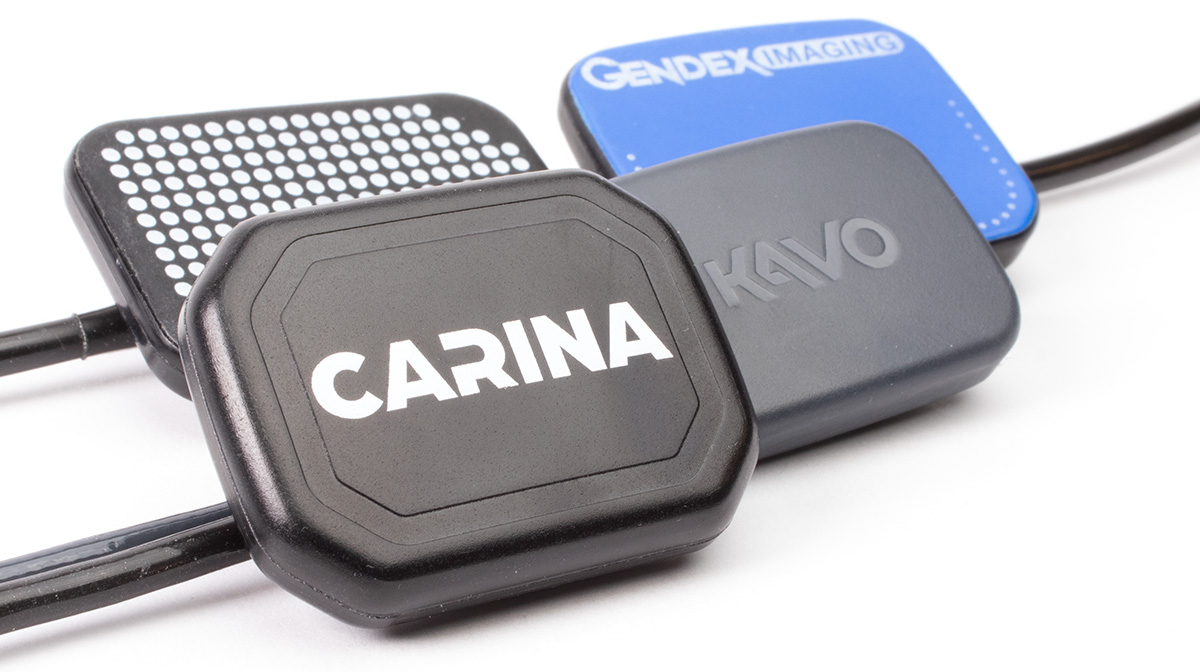
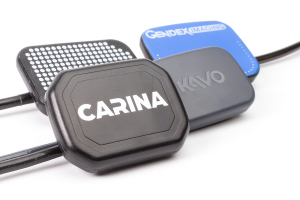
If you're looking for the best digital X-ray sensor for your dental practice, you're likely evaluating image quality, software compatibility, and long-term reliability. Whether you're planning to upgrade your dental imaging system or replace an aging dental X-ray sensor, understanding the technology behind intraoral digital sensors is essential before making an investment.
This guide explains what to look for—including CMOS vs. CCD technology, sensor sizing, image performance factors, and new, Demo Model, and refurbished options available through Henry Schein Outlet Center.
What Is a Digital X-Ray Sensor?
A digital X-ray sensor captures intraoral radiographs and converts them into a digital image that appears on your computer almost instantly. Compared to film, sensors streamline imaging workflows and eliminate chemical processing.
Practices typically evaluate sensors based on:
- Operatory workflow and patient comfort
- Software and hardware compatibility
- Image clarity requirements
- Support, warranty coverage, and long-term reliability
If you’re actively comparing models, the Henry Schein Outlet Center Digital X-Ray Sensors category page provides a current view of available inventory. Products may be offered in new, Demo Model, and refurbished conditions, depending on availability.
CMOS vs. CCD Sensors: What’s the Difference?
Two common sensor technologies you’ll see discussed are CMOS and CCD. Both convert X-ray exposure into a digital image, but they use different internal architectures.
CMOS Sensors
CMOS (Complementary Metal-Oxide Semiconductor) sensors are widely used in modern dental imaging systems and are generally known for:
- Lower power consumption
- Faster image processing
- Efficient manufacturing and durability benefits
Most current-generation intraoral sensors on the market use CMOS technology.
CCD Sensors
CCD (Charge-Coupled Device) sensors have a long history in imaging and are known for consistent image performance. However, they typically:
- Require more power
- May process images more slowly than CMOS-based systems
For most practices upgrading today, CMOS-based systems represent the industry standard.
Digital X-Ray Sensors vs. Phosphor Plate Systems
Practices upgrading from phosphor plate (PSP) systems often compare them to direct digital intraoral sensors.
Digital X-Ray Sensors
- Immediate image capture
- No scanning step required
- Consistent image quality
- Fixed operatory placement
Phosphor Plate Systems
- Flexible, film-like plates
- Requires plate scanning after exposure
- Lower upfront cost in some cases
- May involve additional workflow steps
For practices prioritizing speed and chairside efficiency, direct digital intraoral sensors typically reduce image processing time and improve workflow consistency.
What Actually Affects Image Quality?
When comparing digital sensors, brand name alone doesn’t determine diagnostic clarity. Instead, consider the following technical factors:
1. Resolution (Line Pairs per Millimeter)
Resolution is commonly measured in line pairs per millimeter (lp/mm). Higher resolution can allow for finer anatomical detail, but extremely high resolution alone does not guarantee better clinical outcomes. Proper exposure technique and software optimization also matter.
2. Pixel Size
Pixel size affects sharpness and signal strength. Smaller pixels may contribute to finer detail, while balanced design helps maintain image clarity without introducing noise.
3. Dynamic Range
Dynamic range refers to the sensor’s ability to capture both lighter and darker areas in the same image. A wider dynamic range can reduce retakes and improve overall diagnostic usability.
4. Ergonomics and Patient Comfort
Sensor thickness, rounded edges, and cable flexibility directly impact patient comfort and positioning accuracy. Comfortable sensors help reduce movement and retakes.
Software Compatibility: A Critical Step Before Purchasing
Before purchasing any digital X-ray sensor, confirm integration with your existing imaging and practice management software.
Key questions to ask:
- Is the sensor compatible with your imaging software platform?
- Are updated drivers and technical support available?
- Will installation require additional hardware or licensing?
- Is IT setup included or supported?
Compatibility issues can delay implementation and increase costs, so verifying integration in advance is essential.
New vs. Demo Model vs. Refurbished: Understanding Your Options
Digital X-ray sensors are a meaningful capital investment. Many practices evaluating upgrades consider whether to purchase new or explore Demo Model or refurbished options.
At Henry Schein Outlet Center:
- Products may be offered in new, Demo Model, or refurbished condition depending on availability
- Refurbished units are recertified to manufacturer standards
- Systems are inspected and quality-tested by manufacturer-trained technicians
- Manufacturer warranties are included
- Equipment is regulatory compliant
Refurbished does not mean unknown or uncertified. It refers to equipment that has been professionally recertified and validated for performance.
Because HSI Outlet operates as Henry Schein’s outlet channel, inventory consists of overstocked, demo, and professionally reconditioned systems. Depending on product and availability, savings may reach up to 80% off original list pricing.
Inventory is limited and rotates regularly, so reviewing the Digital X-Ray Sensors category page can help you monitor current availability.
Key Questions to Ask Before You Buy
Before finalizing a sensor purchase, confirm:
- What sensor technology is used (CMOS or CCD)?
- What are the resolution and dynamic range specifications?
- Is it fully compatible with your imaging software?
- Is a manufacturer warranty included?
- Has the unit been properly recertified and tested?
Clear answers to these questions help ensure long-term reliability and return on investment.
What Size Sensor Should You Choose? (Size 1 vs. Size 2)
Sensor size affects both patient comfort and clinical application.
Size 1 Sensors
- Often used for pediatric patients
- Suitable for smaller arches
- Helpful for narrow oral anatomy
Size 2 Sensors
- Most common size in general dentistry
- Standard for adult bitewings and periapicals
- Broader coverage area
When replacing a dental radiography sensor, many practices choose Size 2 for general operatory use, while pediatric-focused practices may prefer Size 1 options.
Confirm compatibility with your existing holders and positioning systems before purchasing.
FAQ: Digital X-Ray Sensors
Are refurbished dental sensors reliable?
When recertified to manufacturer standards and backed by a manufacturer warranty, refurbished sensors can provide dependable performance comparable to new systems.
How much can practices save?
Savings vary by model and availability. Select inventory may offer substantial discounts compared to original list pricing.
Do digital sensors require maintenance?
Routine care includes barrier protection, proper disinfection protocols, and careful cable handling. Following manufacturer guidelines helps preserve image quality and extend lifespan.
How long do digital X-ray sensors last?
With proper care and manufacturer-backed support, digital sensors can provide many years of reliable clinical use.
How Digital Sensors Are Recertified at Henry Schein Outlet Center
Refurbished digital sensors offered through Henry Schein Outlet Center are professionally recertified to manufacturer standards.
Each system undergoes:
- Inspection by manufacturer-trained technicians
- Functional performance testing
- Component evaluation and calibration
- Regulatory compliance verification
- Inclusion of manufacturer warranty coverage
As the outlet channel of Henry Schein, HSI Outlet provides access to overstocked, Demo Model, and recertified systems supported by trusted service infrastructure.
Make an Informed Imaging Investment
Upgrading your digital X-ray sensor improves efficiency, supports diagnostic confidence, and enhances patient communication.
By understanding CMOS vs. CCD technology, image quality factors, and software compatibility requirements, your practice can make a confident purchasing decision.
To explore current availability—including new, Demo Model, and refurbished options—visit the Digital X-Ray Sensors category at Henry Schein Outlet Center.

Recent Posts